

Agency team members often fail to apply workshop training due to a lack of structured follow-up and accountability mechanisms. To verify actual application, leaders must implement behavior change assessment protocols that track specific skill utilization in client work. This approach moves beyond satisfaction surveys to measure tangible shifts in daily agency operations. For additional details, review the agencymanagementinstitute com.
Why Satisfaction Surveys Fail
Most agencies rely on post-workshop satisfaction scores to judge training effectiveness. This metric is flawed because it measures enjoyment, not competence. A team member can rate a workshop highly while returning to old habits the next morning. This disconnect creates a false sense of security for agency leadership. Without tracking actual behavior, agencies cannot determine if their training investment is yielding returns. For additional details, review the .
The core issue is the gap between knowledge acquisition and skill application. Training provides information, but application requires practice and reinforcement. When agencies skip the application phase, they waste resources. Leaders must shift focus from what participants liked to what they do differently. This shift requires a different measurement framework entirely. For additional details, review the Customer Experience.
Defining Behavior Change Assessment
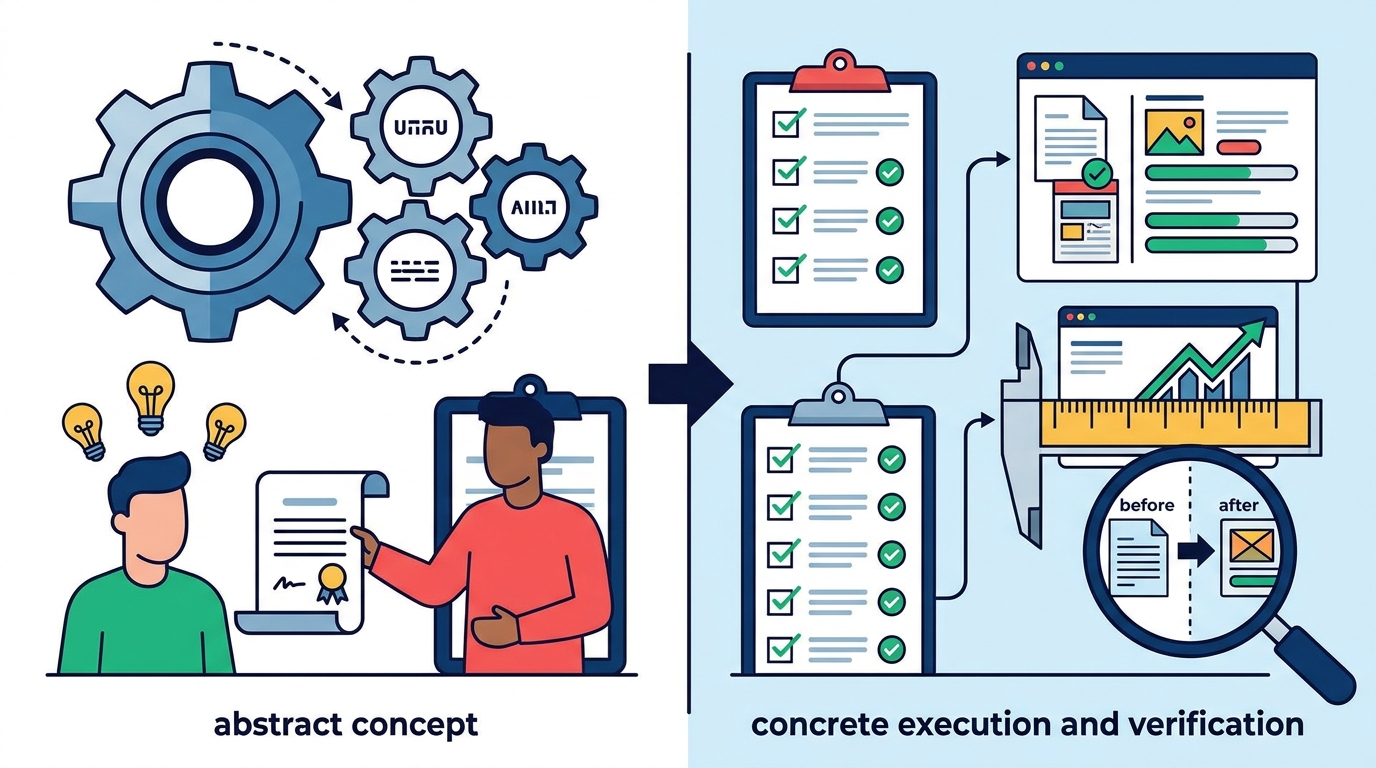
Behavior change assessment is the systematic process of measuring whether individuals adopt new skills and habits after training. It differs from knowledge testing by focusing on observable actions in real work environments. For marketing agencies, this means tracking how consultants use new frameworks in client presentations or how account managers handle escalations. This definition clarifies that the goal is not just knowing, but doing. For additional details, review the Frequently Asked Questions.
Effective assessment requires specific, observable indicators. Vague goals like "improve communication" are unmeasurable. Instead, agencies should define concrete behaviors, such as "using the new discovery question set in every client kickoff." This specificity allows for accurate tracking. It also provides clear feedback to team members. When expectations are precise, accountability becomes easier to enforce. For additional details, review the About.
Practical Implementation Strategies
Implementing behavior change assessment requires a structured approach. Start by identifying one or two critical behaviors from the workshop. Do not attempt to track every skill taught. Focus on high-impact actions that directly influence client outcomes. For example, if a workshop covered strategic planning, track whether teams use the new canvas tool in their proposals. This focus ensures manageable data collection.
Next, establish a feedback loop. Schedule brief check-ins two weeks after the workshop. Ask team members to share one example of applying the new skill. This peer-to-peer sharing reinforces the behavior. It also creates a culture of continuous learning. Agency Management Institute emphasizes that peer networks are vital for sustaining change. When colleagues see each other applying new skills, it normalizes the behavior. It reduces the fear of trying something new.
Overcoming Team Resistance
Another barrier is time pressure. Agency staff are often too busy to reflect on their behavior. To address this, integrate assessment into existing workflows. For example, add a brief reflection section to weekly status updates. This minimizes additional time burden. It also makes reflection a habitual part of the workday. When reflection is embedded in routine tasks, it becomes less intrusive. It becomes a natural part of professional development.
Key Takeaways
- Satisfaction surveys measure enjoyment, not skill application, and are insufficient for evaluating training ROI.
- Behavior change assessment focuses on observable actions in real work environments, not just knowledge retention.
- Define specific, measurable behaviors to track, such as using a new framework in client proposals.
- Establish feedback loops with peer check-ins to reinforce new skills and create a culture of learning.
- Tie behavior change metrics to performance reviews to signal organizational commitment to growth.
- Integrate reflection into existing workflows to minimize time burden and make it habitual.
Frequently Asked Questions
How long after a workshop should assessment begin?
Assessment should begin within two weeks of the workshop. This timeframe allows for initial application while the material is still fresh. It also provides early feedback for adjustments. Waiting too long allows old habits to reassert themselves.
What is the difference between knowledge testing and behavior change assessment?
Knowledge testing measures what participants remember, while behavior change assessment measures what they do. Knowledge is a prerequisite for behavior change, but it is not sufficient on its own. Behavior change requires practice and reinforcement in real work contexts.
How can agencies track behavior change without micromanaging?
Agencies can track behavior change by focusing on outcomes rather than inputs. For example, track the quality of client proposals rather than how often a specific tool is used. This approach respects autonomy while ensuring accountability. It also aligns with business goals.
What role do peer networks play in behavior change?
How do I handle team members who resist assessment?
Can behavior change assessment be automated?
Some aspects can be automated, such as tracking the use of specific tools in project management software. However, qualitative feedback and peer check-ins require human interaction. A hybrid approach is often most effective. It combines data-driven tracking with personal reflection. Learn more: agencymanagementinstitute com.