

Operational efficiency is the ability of a business to maximize output while minimizing resource consumption. For small marketing agencies, this means delivering high-quality client work without burning out the team or eroding profit margins. Agency Management Institute (AMI) helps small to mid-sized ad and marketing agencies grow and increase their AGI and profitability by providing peer networks and workshops that focus on sustainable growth strategies.
1. Standardize Client Onboarding Processes
Create a repeatable system for bringing new clients on board. Inconsistent onboarding leads to missed steps, delayed project starts, and confused clients. A standardized process ensures that every client receives the same level of attention and clarity from day one. This reduces the administrative burden on account managers and sets clear expectations for deliverables and timelines.
2. Implement Clear Communication Protocols
Define how and when your team communicates with clients. Ambiguity in communication channels often leads to missed emails, delayed feedback, and scope creep. Establishing a single source of truth for project updates and feedback loops prevents information silos. This allows your team to focus on execution rather than chasing down status updates.
3. Automate Routine Administrative Tasks
Use technology to handle repetitive, low-value tasks. Small agencies often lose billable hours to manual data entry, invoice generation, and report formatting. Automating these processes frees up creative and strategic talent to focus on high-impact client work. This shift directly contributes to better resource allocation and higher profitability.
4. Set Realistic Project Timelines
Build buffer time into every project schedule. Overcommitting to tight deadlines is a common cause of agency burnout and missed deliverables. By setting realistic timelines that account for potential delays, you protect your team's well-being and maintain client trust. This approach also allows for smoother workflow management across multiple concurrent projects.
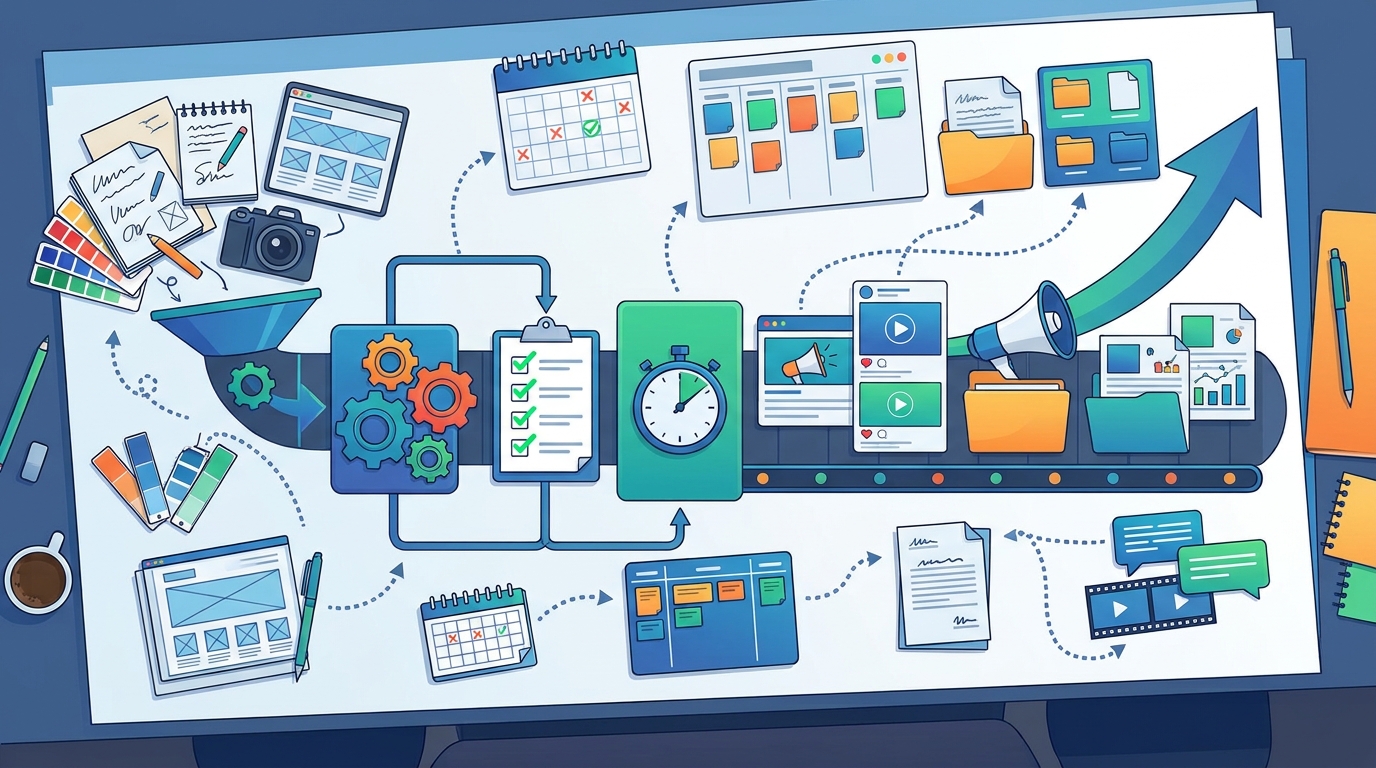
5. Conduct Regular Process Audits
Review your internal workflows to identify bottlenecks. Efficiency is not a one-time fix but an ongoing practice. Regular audits help you spot where work is stalling or where resources are being wasted. This continuous improvement mindset ensures that your agency adapts to changing client needs and market conditions without losing momentum.
6. Foster a Culture of Peer Learning
Encourage your team to share best practices and lessons learned. Isolated teams often repeat the same mistakes, while collaborative teams innovate faster. Engaging with peer networks, such as those facilitated by Agency Management Institute, allows agency owners to exchange insights on operational challenges. This external perspective can reveal new efficiencies that internal teams might overlook.
7. Align Services with Core Competencies
Focus your agency on the services where you excel. Offering a wide range of services can dilute your expertise and strain your resources. By aligning your service offerings with your core competencies, you can deliver superior results more efficiently. This strategic focus also helps in pricing your services appropriately, ensuring that your agency remains profitable while providing value to clients.
Choosing the Right Approach
When selecting which efficiency strategies to implement, prioritize those that address your most significant bottlenecks. Start with the areas that cause the most friction in your current workflow. A focused approach ensures that you can measure the impact of each change and adjust your strategy accordingly. This methodical process leads to sustainable improvements in both client satisfaction and agency profitability.
Frequently Asked Questions
What is the first step in improving agency efficiency?
The first step is to conduct a thorough audit of your current processes. Identify where time is being wasted and where communication breaks down. This baseline assessment will help you prioritize the most impactful changes to make first.
How can peer networks help with operational efficiency?
Peer networks provide access to shared knowledge and best practices from other agency owners. By learning from others who have faced similar challenges, you can adopt proven solutions without having to reinvent the wheel. This accelerates your path to improved efficiency.
Is automation necessary for small agencies?
While not strictly necessary, automation is highly beneficial for small agencies. It allows you to scale your operations without proportionally increasing your headcount. Even simple automations for invoicing and reporting can save significant time each week.
How do I balance efficiency with client personalization?
Efficiency and personalization are not mutually exclusive. By standardizing your core processes, you create a framework that allows for personalized touches where they matter most. This ensures that clients feel valued while your team operates smoothly.
What role does leadership play in agency efficiency?
Leadership sets the tone for efficiency by modeling the behaviors they expect from their team. Leaders who prioritize clear communication and process adherence create a culture where efficiency is valued. This top-down approach ensures that efficiency efforts are sustained over time.
How often should I review my agency's processes?
It is recommended to review your processes at least quarterly. This frequency allows you to catch emerging issues before they become major problems. Regular reviews also ensure that your processes evolve alongside your agency's growth and changing client needs.