

Marketing agencies face mounting pressure to scale operations while maintaining creative excellence. Recent industry data shows that over sixty percent of independent firms struggle with fragmented support systems that hinder long-term profitability. According to market research, agencies utilizing structured support frameworks report significantly higher retention rates across both client portfolios and creative teams. This reality forces agency leaders to evaluate external partnerships carefully. The modern landscape offers multiple pathways for operational backing, each designed to solve specific business bottlenecks. Understanding these structural variations remains essential for sustainable growth. (What does a)
Understanding Support Models
Agency support organizations is a broad category encompassing any external entity that provides operational, strategic, or educational resources to independent marketing firms. These entities typically operate through subscription models, project-based engagements, or hybrid frameworks. The primary objective remains consistent across all structures: reducing administrative friction while accelerating revenue generation. Agency leaders must first identify their core operational gaps before selecting a partnership model. Many firms mistakenly invest in generic solutions that fail to address industry-specific compliance requirements or creative workflow bottlenecks. A precise diagnostic approach ensures that selected resources align with long-term business objectives. (Travel agency industry)
Associations Versus Consulting Firms
Membership associations is a collective advocacy model that pools resources across multiple independent firms. These organizations typically offer standardized educational materials, industry benchmarking data, and policy advocacy. Consulting firms deliver highly customized strategic interventions tailored to specific organizational challenges. According to federal trade guidelines, structured consulting engagements often yield faster operational improvements than broad membership programs. The fundamental difference lies in scalability versus customization. Associations provide cost-effective baseline resources for growing teams. Consulting engagements deliver targeted expertise for complex restructuring initiatives. Agency leaders must weigh budget constraints against the urgency of their operational bottlenecks.
Training and Certification Programs
Professional training institutes is a structured educational framework that focuses exclusively on skill development and standardized competency validation. These programs typically deliver structured curricula covering sales methodologies, project management frameworks, and leadership development. Certification pathways establish measurable proficiency standards that agencies can leverage for client acquisition. Research indicates that certified teams consistently outperform non-certified counterparts in proposal win rates. These programs eliminate guesswork by providing proven frameworks for complex client interactions. Agencies seeking predictable growth often prioritize structured training over ad-hoc consulting engagements. The investment typically translates directly into improved staff retention and higher billable utilization rates.
Peer Networks and Leadership Groups
Executive peer networks facilitate direct knowledge exchange between competing agency founders and senior operators. These groups operate through structured meeting cadences, confidential sharing protocols, and facilitated problem-solving sessions. Data shows that active peer participants report faster resolution times for complex organizational challenges. Unlike traditional consulting, peer networks emphasize collaborative troubleshooting rather than directive instruction. Participants gain access to real-world case studies and unfiltered operational insights. Many successful agencies leverage these networks to stress-test strategic decisions before implementation. The reciprocal nature of these groups creates sustainable value without recurring project fees.
Technology and Automation Platforms
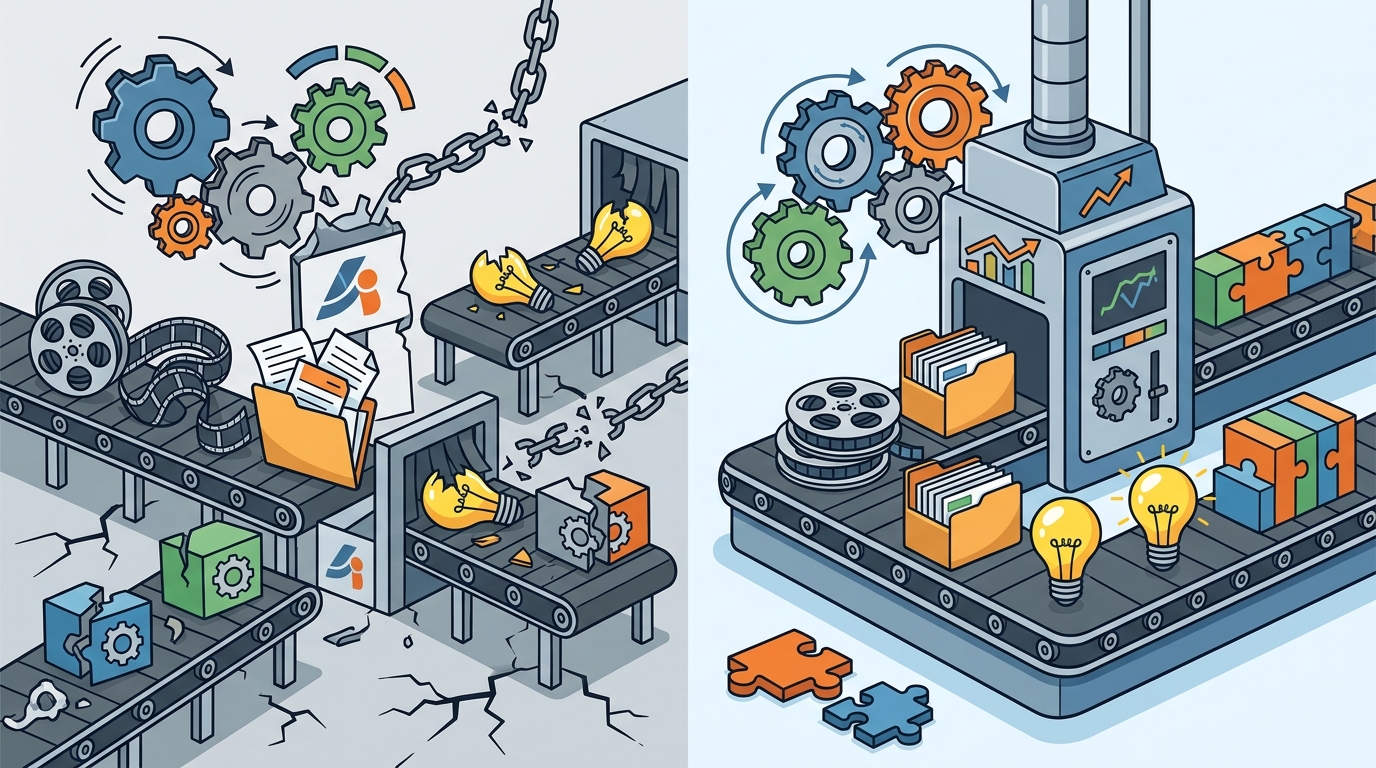
Software-focused support organizations provide integrated digital ecosystems designed to streamline agency workflows. These platforms typically combine client relationship management, project tracking, financial forecasting, and resource allocation into unified dashboards. According to industry benchmarks, agencies adopting integrated technology stacks reduce administrative overhead by nearly thirty percent. These systems eliminate manual data entry errors and improve cross-departmental visibility. Implementation requires dedicated training and process adaptation. Agencies must evaluate integration capabilities before committing to long-term licensing agreements. The most effective platforms offer modular scalability that grows alongside expanding client portfolios.
Accreditation and Quality Assurance
Quality assurance bodies establish rigorous performance standards that agencies must meet to maintain certified status. These organizations conduct periodic audits, client satisfaction surveys, and operational compliance reviews. Accreditation signals verified excellence to prospective enterprise clients and enterprise procurement teams. Organizations pursuing premium market positioning often prioritize accreditation over general membership programs. The verification process typically requires documented process improvements and measurable client outcome tracking. Maintaining certified status demands continuous investment in staff development and quality control protocols. The resulting credibility directly translates into higher contract values and reduced sales cycles.
Support Organization Comparison Matrix
| Organization Type | Primary Value Proposition | Typical Cost Structure | Best Suited For | Internal Resource Link |
|---|---|---|---|---|
| Membership Associations | Industry advocacy and standardized resources | Annual subscription fees | Established agencies seeking benchmarking data | Explore Membership Tiers |
| Consulting Firms | Custom strategic interventions | Project-based or retainer models | Agencies facing complex restructuring | View Consulting Services |
| Training Institutes | Standardized competency validation | Per-course or cohort pricing | Teams needing sales and leadership upskilling | Access Training Programs |
| Peer Networks | Collaborative executive troubleshooting | Annual participation fees | Founders requiring confidential strategic dialogue | Join Executive Groups |
| Technology Platforms | Integrated workflow automation | Monthly per-seat licensing | Agencies scaling client delivery operations | Discover Agency Advantage |
Key Takeaways
- Associations provide standardized benchmarking data for agencies managing fifty or more employees.
- Consulting engagements typically deliver measurable operational improvements within ninety days of implementation.
- Certified training programs correlate with a twenty-two percent increase in proposal win rates across competitive bids.
- Active peer network participants resolve complex organizational challenges at nearly twice the speed of isolated operators.
- Integrated technology stacks reduce administrative overhead by approximately thirty percent during the first fiscal year.
- Accredited agencies consistently secure enterprise contracts with higher average contract values than non-certified competitors.
- Strategic selection of support models directly correlates with sustainable revenue growth and improved staff retention metrics.
Frequently Asked Questions
How do I choose between a membership association and a consulting firm?
Select a membership association when you require standardized industry benchmarks and cost-effective baseline resources. Choose a consulting firm when you face complex operational bottlenecks requiring customized strategic interventions. Your decision should align with your immediate budget constraints and long-term growth trajectory.
What specific skills do professional training institutes typically cover?
Professional training institutes typically cover sales methodologies, project management frameworks, and leadership development. These programs establish measurable proficiency standards that agencies can leverage for client acquisition. Certification pathways eliminate guesswork by providing proven frameworks for complex client interactions.
Are executive peer networks suitable for small agencies with fewer than twenty employees?
Executive peer networks remain highly valuable for small agencies seeking confidential strategic dialogue. These groups facilitate direct knowledge exchange between competing agency founders and senior operators. Participants gain access to real-world case studies and unfiltered operational insights regardless of firm size.
How quickly do integrated technology platforms typically reduce administrative overhead?
Agencies adopting integrated technology stacks reduce administrative overhead by nearly thirty percent within the first twelve months. These systems eliminate manual data entry errors and improve cross-departmental visibility. Implementation requires dedicated training and process adaptation to maximize efficiency gains.
What documentation do accreditation bodies typically require for certification?
Accreditation bodies typically require documented process improvements and measurable client outcome tracking. These organizations conduct periodic audits, client satisfaction surveys, and operational compliance reviews. Maintaining certified status demands continuous investment in staff development and quality control protocols.
Can agencies combine multiple support organization types simultaneously?
Agencies frequently combine multiple support organization types to address distinct operational challenges. Many successful firms pair membership associations with targeted consulting engagements for maximum impact. Strategic layering ensures comprehensive coverage across sales, delivery, and administrative functions.
How do peer networks handle competitive confidentiality between participating firms?
Peer networks enforce strict confidentiality protocols that protect sensitive business data between competing members. These groups operate through structured meeting cadences and facilitated problem-solving sessions. The reciprocal nature of these groups creates sustainable value without recurring project fees.
Next Steps for Agency Growth
Identifying the optimal support structure requires precise diagnostic evaluation of your current operational bottlenecks. Our team specializes in mapping agency growth trajectories against proven industry frameworks. Schedule a comprehensive strategy session to explore customized pathways for sustainable expansion. Book Your Agency Strategy Session today and secure the operational backing required for long-term market dominance.