

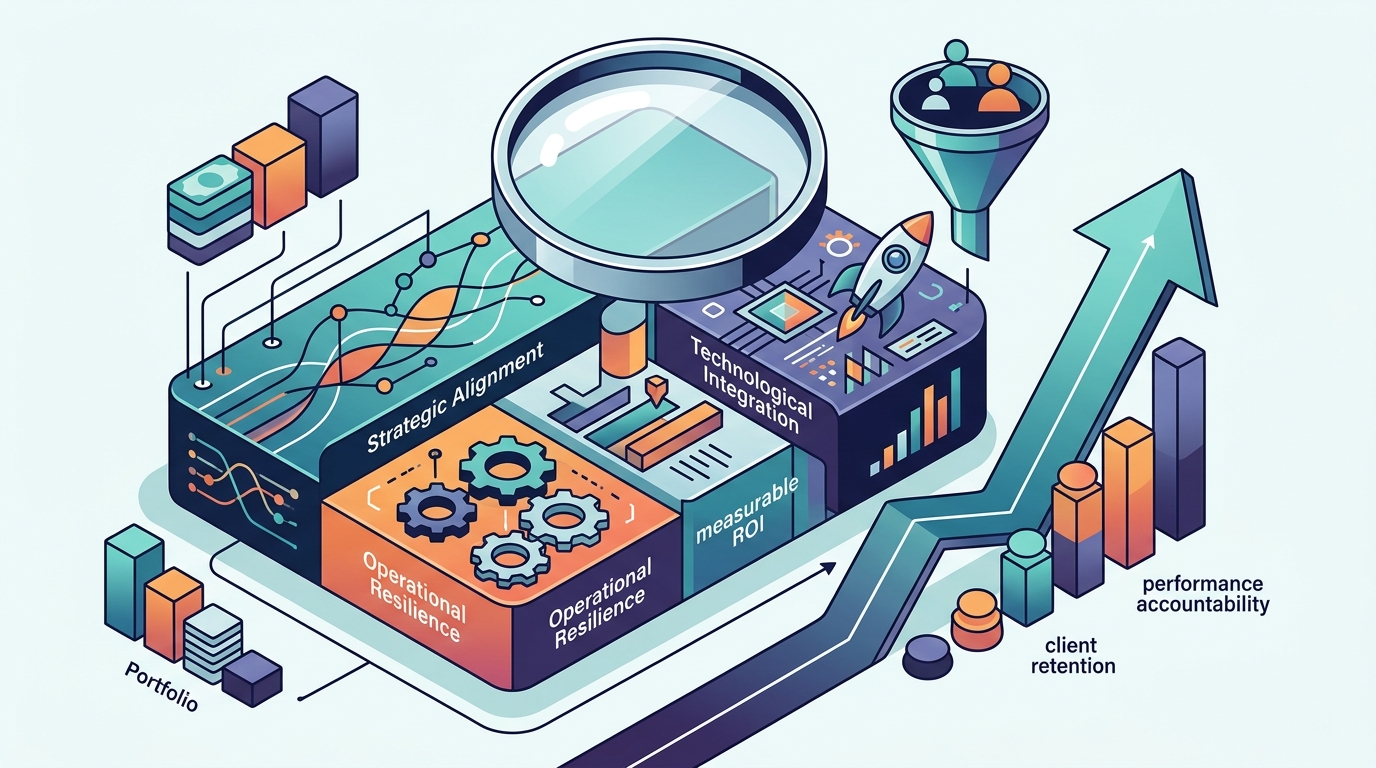
The advertising landscape in 2026 has shifted dramatically from pure creative intuition to data-driven performance accountability. According to recent industry benchmarks, agency performance metrics now prioritize client retention and measurable ROI over vanity metrics like impressions. This evolution means that evaluating an advertising agency is no longer just about reviewing a portfolio; it is about assessing operational resilience, technological integration, and strategic alignment. For agency owners and business leaders, the stakes are higher than ever. Choosing the wrong partner can stall growth, while selecting the right one can accelerate market dominance.
Core Evaluation Criteria for 2026
When you begin evaluating an advertising agency, the first step is to define what "success" looks like for your specific business model. In 2026, the definition of success has expanded beyond simple lead generation to include brand equity, customer lifetime value, and operational efficiency. Agency Advantage provides a framework for understanding these multifaceted goals.
One critical factor is the agency's ability to adapt to rapid technological changes. The average agency that fails to integrate AI into its workflow is losing market share to competitors who leverage automation for faster turnaround times. Therefore, your evaluation must include a technical audit of their capabilities. Do they have proprietary tools? Are they certified partners with major platforms like Google, Meta, and TikTok? These certifications are not just badges; they indicate a level of trust and access to beta features that can give your campaigns a competitive edge.
Another essential criterion is the agency's client retention rate. High turnover often signals internal dysfunction or poor client management. Look for agencies that publish case studies demonstrating long-term partnerships. A strong agency will have a track record of growing with its clients, not just acquiring them. This longevity suggests they have robust processes for onboarding, reporting, and strategic pivoting.
Financial Health and Pricing Models
Evaluating the financial structure of an advertising agency is crucial for ensuring long-term partnership stability. Many agencies operate on thin margins, which can lead to service degradation or sudden price hikes. Understanding their pricing model helps you anticipate costs and align expectations.
Common pricing models include:
- Retainer-Based: A fixed monthly fee for a set scope of work. This provides budget predictability but may lack flexibility for unexpected opportunities.
- Performance-Based: Compensation tied to specific outcomes, such as leads or sales. This aligns incentives but can be difficult to scale if traffic volumes fluctuate.
- Project-Based: A one-time fee for a specific deliverable, such as a website redesign or a campaign launch. This is ideal for discrete tasks but does not foster ongoing strategic partnership.
According to the 2026 Salary Survey, agencies that offer transparent, value-based pricing models tend to have higher client satisfaction scores. When evaluating an agency, ask for a detailed breakdown of how their fees are calculated. Are there hidden costs for reporting, strategy sessions, or ad spend management? A reputable agency will provide a clear, itemized proposal that leaves no room for ambiguity.
Furthermore, consider the agency's financial health. Are they investing in their own growth? Do they have the resources to handle your account if it scales rapidly? An agency that is financially stable is less likely to cut corners on talent or technology, ensuring consistent service quality.
Technology Stack and AI Integration
In 2026, technology is not just a support function; it is the backbone of effective advertising. Evaluating an agency's technology stack is essential to determine if they can handle the complexity of modern digital ecosystems. This includes their use of Customer Relationship Management (CRM) systems, marketing automation platforms, and data analytics tools.
Artificial Intelligence (AI) has become a non-negotiable component of agency operations. AI is used for everything from predictive analytics to automated ad bidding and content generation. However, not all AI implementations are created equal. Some agencies use AI to enhance human creativity, while others use it to replace it entirely. The former approach typically yields better results because it combines machine efficiency with human strategic insight.
When evaluating an agency, ask specific questions about their AI strategy:
- How do they use AI for audience segmentation?
- What tools do they use for real-time campaign optimization?
- How do they ensure data privacy and compliance with regulations like GDPR and CCPA?
Agencies that are transparent about their technology stack and can demonstrate how it drives results are more likely to be reliable partners. Look for agencies that are members of AMI Preferred Partners networks, as these organizations often vet their members for technological proficiency and ethical standards.
Team Structure and Cultural Fit
The people behind the agency are just as important as their tools and processes. A strong team structure ensures that your account has dedicated resources, from strategists and creatives to analysts and account managers. Evaluate the agency's organizational chart to understand who will be working on your account and their level of experience.
Cultural fit is another critical factor. Advertising is a collaborative process, and you will be working closely with the agency team. If their communication style, values, or work ethic do not align with yours, the partnership is likely to struggle. Look for agencies that emphasize transparency, agility, and continuous learning.
Consider the agency's approach to talent development. Do they invest in their employees' growth? Agencies that prioritize professional development are more likely to retain top talent, which means you will have a consistent and skilled team working on your account. High employee turnover can lead to knowledge loss and disrupted service, so ask about their retention strategies and team stability.
Comparing Service Delivery Models
Agencies offer a wide range of service delivery models, each with its own advantages and disadvantages. Understanding these models will help you choose the one that best fits your needs and budget.
| Service Model | Description | Best For | Pros | Cons |
|---|---|---|---|---|
| Full-Service Agency | Provides end-to-end advertising services, including strategy, creative, media buying, and analytics. | Businesses seeking a single point of contact for all marketing needs. | Seamless integration, consistent branding, simplified management. | Higher cost, potential for less specialized expertise in niche areas. |
| Boutique Agency | Focuses on a specific niche or industry, offering deep expertise and personalized service. | Businesses with specific industry needs or those seeking a more personalized approach. | Highly specialized expertise, agile decision-making, strong client relationships. | Limited resource pool, may not offer full-service capabilities. |
| Freelance Collective | A network of independent professionals who collaborate on projects. | Businesses with flexible budgets and specific, short-term project needs. | Cost-effective, access to top talent, flexibility. | Lack of accountability, potential communication gaps, inconsistent quality. |
Choosing the right model depends on your business goals, budget, and internal capabilities. For example, a small business with limited internal resources might benefit from a full-service agency, while a large enterprise might prefer a boutique agency for specialized campaigns. The AMI Blog offers additional insights into selecting the right agency model for your specific situation.
Key Takeaways
- Performance Metrics Matter: In 2026, prioritize agencies that demonstrate measurable ROI and client retention, as highlighted in AMI's 2026 Research.
- Financial Transparency: Evaluate pricing models for clarity and alignment with your budget. Avoid agencies with hidden fees or opaque billing practices.
- AI Integration is Critical: Ensure the agency uses AI to enhance, not replace, human creativity. Ask for specific examples of AI-driven results.
- Team Stability: High employee turnover can disrupt service. Inquire about the agency's talent retention strategies and team structure.
- Cultural Fit: Choose an agency whose values and communication style align with your own. A strong partnership is built on trust and collaboration.
- Service Model Alignment: Match the agency's service model to your business needs. Full-service agencies offer convenience, while boutiques offer specialization.
- Continuous Learning: Prioritize agencies that invest in their employees' professional development to ensure they stay ahead of industry trends.
Frequently Asked Questions
What is the most important factor when evaluating an advertising agency?
The most important factor is the agency's ability to demonstrate measurable results and align with your business goals. While creative talent and technology are essential, they are only valuable if they drive tangible outcomes for your business.
How do I know if an agency is financially stable?
You can assess financial stability by reviewing their client retention rates, asking about their investment in technology and talent, and checking for any public financial reports or news. Agencies that are members of professional organizations like AMI often adhere to higher ethical and financial standards.
What role does AI play in modern advertising agencies?
AI is used for predictive analytics, automated ad bidding, audience segmentation, and content generation. It enhances human creativity by providing data-driven insights and improving efficiency. However, it should complement, not replace, human strategic thinking.
Should I choose a full-service agency or a boutique agency?
The choice depends on your specific needs. Full-service agencies offer convenience and a wide range of capabilities, while boutique agencies provide deep expertise in specific niches. Consider your budget, internal resources, and the complexity of your marketing needs.
How often should I expect to receive reports from my agency?
Reporting frequency should be agreed upon during the onboarding process. Typically, agencies provide weekly or monthly reports that include key performance indicators, campaign insights, and recommendations for optimization. The 2026 Webinars on agency management offer tips on effective reporting.
What questions should I ask during an agency pitch?
Ask about their experience in your industry, their approach to AI and technology, their team structure, their pricing model, and their client retention rate. Also, request case studies that demonstrate their ability to deliver results similar to your goals.
How can I ensure a smooth onboarding process with a new agency?
Establish clear communication channels, define roles and responsibilities, and set realistic timelines during the onboarding phase. A structured onboarding process, as outlined in AMI's Agency Coaching, can help prevent misunderstandings and ensure a strong start.
Next Steps for Your Agency
Evaluating an advertising agency is a critical decision that can impact your business's growth and success. By using the framework outlined in this guide, you can make an informed choice that aligns with your strategic goals. If you are an agency owner looking to improve your evaluation processes or enhance your operational efficiency, consider exploring AMI's Agency Coaching and Consulting services. We provide tailored support to help agencies thrive in the competitive 2026 landscape. Visit our contact page to schedule a consultation and take the next step toward building a stronger, more resilient agency.