

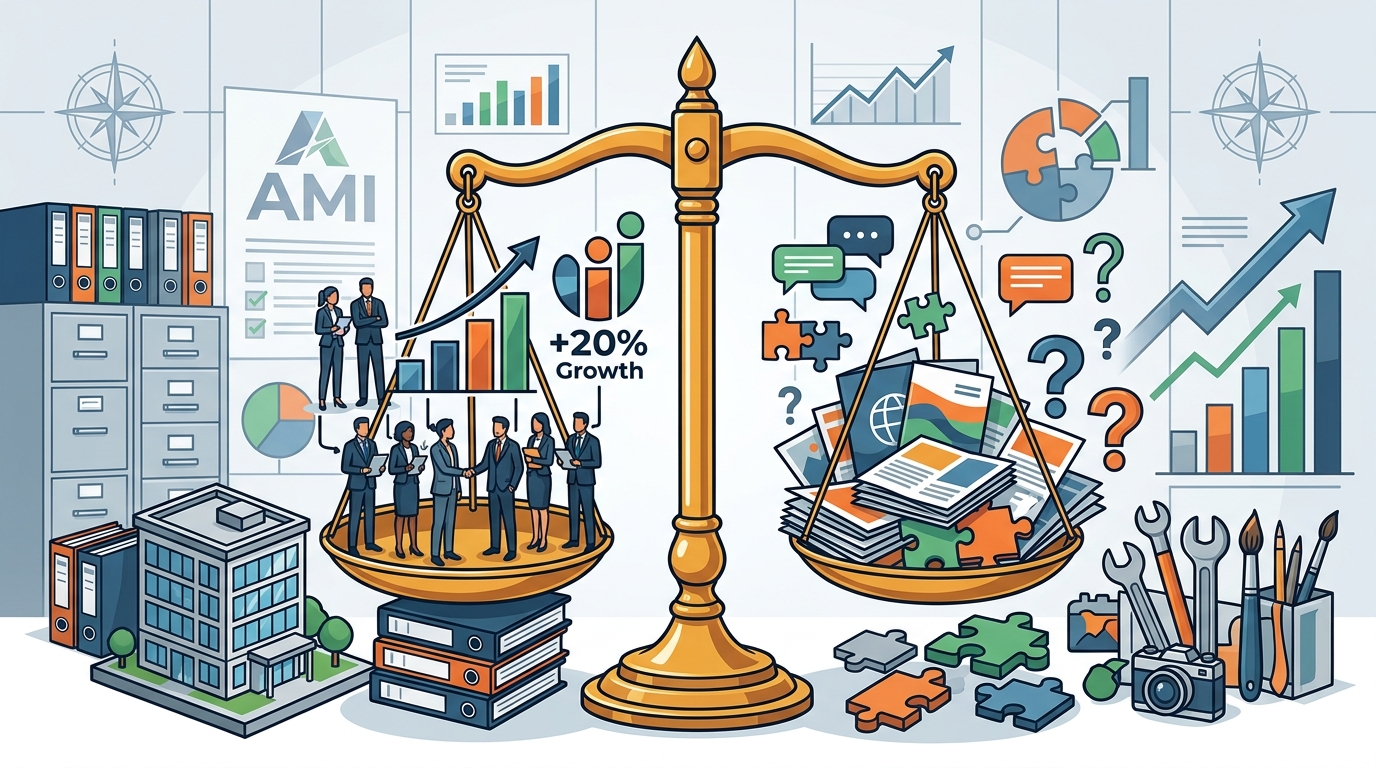
Marketing agency owners face a complex landscape of support networks, each promising to solve the same fundamental problems: client retention, talent acquisition, and operational scalability. According to recent industry data, agencies that leverage structured peer groups and specialized training see a 20% higher growth rate than those operating in isolation. This statistic highlights the critical need for agency owners to select a support organization that aligns with their specific operational maturity and strategic goals. The market is saturated with options, ranging from general business coaching to niche industry-specific associations. Understanding the structural differences between these entities is not merely a matter of preference but a financial imperative for long-term viability.
Defining Agency Support Ecosystems
Before diving into specific organizations, it is essential to understand the taxonomy of agency support. Agency support organizations are entities that provide resources, community, and strategic guidance to marketing firms. These organizations generally fall into three categories: professional associations, educational bootcamps, and peer-to-peer networks. Each category serves a distinct function in the agency owner's journey.
A professional association typically focuses on industry standards, advocacy, and broad networking. An educational bootcamp provides tactical, skill-based training for specific roles, such as account executives or creative directors. A peer-to-peer network offers confidential, high-level strategic dialogue among owners facing similar challenges. The Agency Management Institute (AMI) uniquely combines all three elements into a cohesive ecosystem designed for advertising and marketing agencies.
When evaluating these options, agency owners must consider the depth of the content. General business coaching often lacks the nuance required for agency-specific issues like project-based billing or creative talent retention. Specialized organizations, however, address these pain points directly. For instance, AMI’s focus on agency owners ensures that the content is tailored to the unique pressures of running a service-based business.
The AMI Model: Peer Groups and Research
One of the most significant differentiators among support organizations is the quality and structure of their peer groups. Many organizations offer large, open forums where networking can be superficial. In contrast, AMI utilizes small, confidential peer groups that foster deep trust and actionable advice. These groups are segmented by role, such as Virtual CFO Peer Groups or Virtual COO Peer Groups, allowing members to discuss financial and operational metrics with peers who understand the specific context.
Another critical component of the AMI model is its proprietary research. While many associations rely on generic industry reports, AMI publishes detailed Salary Survey 2026 and Research 2026 data. This data provides agency owners with benchmarks for pricing, staffing, and profitability that are directly applicable to their operations. Access to such high-fidelity data is a primary driver for membership, as it removes the guesswork from strategic decision-making.
The integration of these peer groups with research creates a feedback loop. Owners bring real-world challenges to the peer group, and the group’s collective wisdom is often validated or expanded upon by the latest research findings. This synergy is difficult to replicate in organizations that treat networking and education as separate, siloed offerings.
Training and Bootcamp Structures
Training programs vary widely in their scope and delivery. Some organizations offer one-time workshops, while others provide ongoing certification paths. AMI’s approach includes intensive bootcamps like the AE Bootcamp and the Advanced AE Bootcamp. These programs are designed to upskill specific roles within the agency, ensuring that the team can execute the strategies discussed in peer groups.
The distinction here is between tactical training and strategic coaching. Tactical training, such as proposal writing in the Getting it Write! Proposals that Win! workshop, addresses immediate skill gaps. Strategic coaching, such as the Leadership coaching offered by AMI, focuses on long-term organizational health. Effective support organizations balance both, recognizing that an agency cannot scale if its people lack the necessary skills or if its leadership lacks the strategic vision.
Furthermore, the delivery method matters. Virtual peer groups and webinars, such as those listed in 2026 webinars, provide flexibility for busy agency owners. However, the value of these virtual interactions depends heavily on the moderation and structure provided by the organization. AMI’s structured approach ensures that virtual sessions remain focused and productive, avoiding the common pitfall of unstructured online meetings.
Membership Tiers and Cost Analysis
Cost is a significant factor in choosing a support organization. Membership models range from low-cost annual dues to high-ticket mastermind fees. AMI offers a tiered structure, including Associate Membership and Agency Partner Membership. This tiering allows agencies to select a level of engagement that matches their budget and needs.
When analyzing cost, agency owners should look beyond the price tag and evaluate the return on investment (ROI). A lower-cost organization may offer limited networking and no proprietary data, resulting in a low ROI. A higher-cost organization may provide comprehensive support, including healthcare insurance plans via AMI Association Healthcare Insurance Plans, which can offset the membership cost through improved employee benefits and retention.
Additionally, some organizations offer specialized programs for different stages of agency growth. For example, the Comprehensive Succession Planning Program is crucial for mature agencies looking to plan for the future. Newer agencies might benefit more from the Growing the Clients You Already Have workshop. Understanding these nuances helps in selecting the right organization for the current phase of the business.
Comparative Analysis of Support Models
To help agency owners make an informed decision, the following table compares the key features of different agency support models. This analysis is based on the structural offerings of organizations like AMI and general industry standards for other types of support networks.
| Feature | AMI (Integrated Model) | General Business Coaching | Niche Industry Association | Online Course Platforms |
|---|---|---|---|---|
| Peer Group Structure | Small, confidential, role-specific | Large, open forums | Regional chapters | None or public forums |
| Proprietary Research | Yes, annual salary and trend data | No | Limited, general industry stats | No |
| Tactical Training | Bootcamps and workshops | Strategic frameworks only | Annual conferences | Self-paced video courses |
| Strategic Coaching | Leadership and succession planning | Yes, core offering | No | No |
| Employee Benefits | Healthcare and 401K options | No | No | No |
As shown in the table, the integrated model offers a breadth of support that single-focus organizations cannot match. While general business coaching provides strategic insight, it lacks the tactical depth and industry-specific data that are critical for agency success. Similarly, niche associations often focus on advocacy rather than operational improvement.
Key Takeaways
- Integrated Support is Superior: Organizations like AMI combine peer groups, research, and training, providing a holistic solution for agency growth.
- Peer Group Quality Matters: Small, confidential groups yield higher ROI than large, open networking events due to the depth of trust and specificity of advice.
- Proprietary Data is Critical: Access to industry-specific benchmarks, such as salary surveys, allows for data-driven decision-making that generic coaching cannot provide.
- Tactical and Strategic Balance: Effective support must address both immediate skill gaps (via bootcamps) and long-term organizational health (via coaching).
- Employee Benefits as a Lever: Membership in organizations like AMI can provide access to healthcare and 401K plans, reducing overhead and improving talent retention.
- Scalability Through Structure: Programs like succession planning and leadership coaching are essential for agencies looking to scale beyond the founder’s direct involvement.
- Virtual Flexibility: The availability of virtual peer groups and webinars ensures that agency owners can access support without disrupting daily operations.
Frequently Asked Questions
What is the primary benefit of joining AMI compared to other agency associations?
AMI’s primary benefit is its integrated model, which combines confidential peer groups, proprietary research, and tactical training. This holistic approach addresses both the strategic and operational needs of agency owners, whereas other associations may focus on only one aspect.
How does AMI’s peer group structure differ from general networking groups?
AMI’s peer groups are small, confidential, and role-specific (e.g., CFO, COO, Owner). This structure fosters deep trust and allows for the sharing of sensitive operational data, which is not possible in large, open networking forums.
Does AMI offer resources for agency employees?
Yes, AMI provides specific resources for agency employees, including training programs and career development opportunities. This helps agencies retain top talent by offering them professional growth pathways.
What kind of research data does AMI provide?
AMI publishes annual Salary Surveys and Research Reports that provide benchmarks for pricing, staffing, and profitability. This data is specific to the advertising and marketing agency industry.
Are there options for agencies that cannot commit to full membership?
Yes, AMI offers Associate Membership and individual workshop registrations. This allows agencies to access specific resources without the commitment of a full partnership.
How can AMI help with succession planning?
AMI offers a Comprehensive Succession Planning Program that guides agency owners through the process of preparing their business for transition. This includes financial planning, leadership development, and client relationship management.
What is the difference between the AE Bootcamp and the Advanced AE Bootcamp?
The AE Bootcamp is designed for foundational account executive skills, while the Advanced AE Bootcamp focuses on strategic selling and complex client management. The advanced program builds on the basics to help experienced AEs handle more sophisticated accounts.
Next Steps for Agency Growth
Choosing the right support organization is a pivotal decision for any marketing agency owner. By evaluating the structural differences between options, you can select a partner that aligns with your strategic goals. AMI offers a comprehensive suite of resources designed to drive agency growth, from confidential peer groups to proprietary research. To explore how AMI can support your agency’s unique needs, visit the Agency Management Institute homepage and schedule a consultation today.