

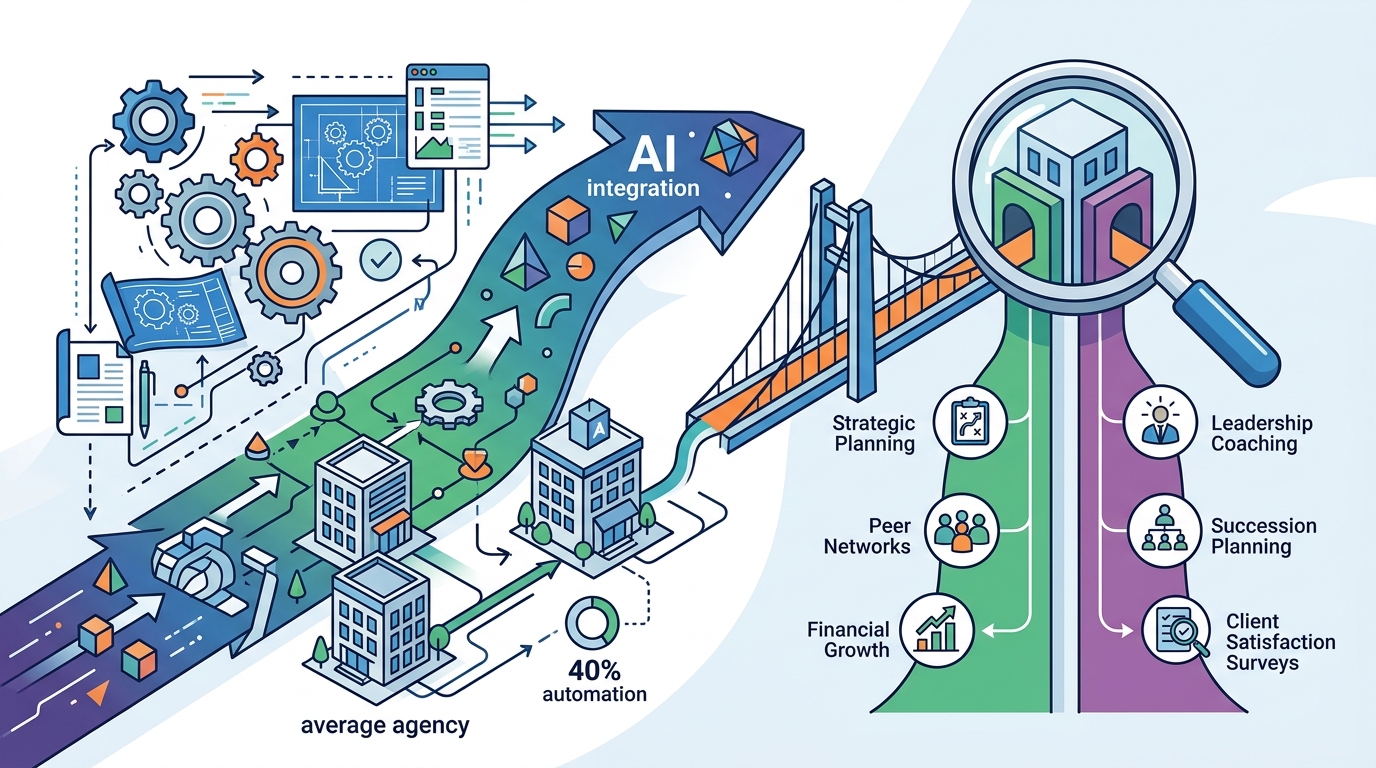
The advertising industry is undergoing a massive structural shift. According to recent industry data, the average advertising agency is now expected to integrate AI automation into at least 40% of its workflows by 2026 to remain competitive. This rapid evolution has created a critical need for specialized support structures. Agency support organizations (ASOs) have emerged as the primary lifeline for firms navigating this complexity. However, not all support networks operate identically. Understanding the distinct operational models is essential for agency leaders seeking sustainable growth. (2026 webinars Agency Management)
Core Support Models Explained
Agency support organizations generally fall into three distinct categories. Each model serves a different phase of agency maturity and offers unique value propositions. Recognizing these differences allows you to align your support structure with your current business goals. (Agency Owners Agency Management)
Professional Associations
A professional association is a nonprofit or membership-based group dedicated to setting industry standards and providing networking opportunities. These organizations often focus on ethical guidelines, certification, and broad industry advocacy. They serve as the foundational layer of credibility for agency professionals. Membership typically grants access to annual conferences, local chapter meetings, and standardized certification programs. This model is ideal for agencies seeking industry-wide recognition and regulatory compliance.
Peer Advisory Groups
Peer advisory groups operate on a high-touch, confidential basis. These are small, curated groups of agency owners who meet regularly to share challenges and solutions. The focus is on strategic decision-making, leadership development, and operational troubleshooting. Unlike broad associations, these groups prioritize deep, actionable insights over general networking. They often require a significant time commitment and financial investment. This model is best for established agency owners looking to refine their leadership and scale operations.
Specialized Training Institutes
Specialized training institutes focus exclusively on skill acquisition and tactical execution. These organizations provide workshops, bootcamps, and certification courses in specific areas such as sales, finance, or client management. The value lies in immediate, practical application of new skills. Participants gain access to proprietary frameworks and tools designed to solve specific business problems. This model is perfect for agencies looking to upskill their teams or implement new operational processes.
Membership Tiers and Access
The structure of membership varies significantly across different support organizations. Understanding these tiers helps you evaluate the return on investment for each option. Most organizations offer a tiered approach to accommodate agencies of different sizes and needs.
Entry-level memberships typically provide access to digital resources, webinars, and basic networking events. These are often affordable and serve as a gateway to the broader community. Mid-tier memberships usually include access to peer groups, discounted training, and enhanced networking opportunities. These tiers are designed for growing agencies that need more direct support. Premium or executive memberships offer the highest level of access, including one-on-one coaching, exclusive summits, and deep-dive research reports. These tiers are reserved for senior leadership and require a substantial financial commitment.
When evaluating membership structures, consider the frequency of interaction and the quality of the network. A lower-cost membership with infrequent interactions may offer less value than a higher-cost tier with consistent, high-level engagement. Always review the specific benefits of each tier to ensure they align with your agency's current priorities.
Training and Education Frameworks
Education is a core component of most agency support organizations. However, the format and depth of training differ widely. Some organizations offer broad, general business education, while others specialize in niche skills.
General business training covers topics such as financial management, human resources, and strategic planning. This type of education is essential for agency owners who need to build a solid operational foundation. It is often delivered through workshops, online courses, and published research. Specialized training focuses on specific areas such as sales methodology, client acquisition, or technology integration. This training is often more tactical and immediate in its application. It is delivered through intensive bootcamps, certification programs, and live coaching sessions.
The best training programs combine both general and specialized education. They provide a holistic view of agency management while offering deep dives into critical skills. Look for organizations that offer continuous learning opportunities, such as regular webinars, updated research, and alumni networks. This ensures that your education remains relevant as the industry evolves.
Comparing Key Benefits
To help you make an informed decision, here is a comparison of the key benefits offered by different types of agency support organizations.
| Organization Type | Primary Focus | Key Benefits | Ideal For |
|---|---|---|---|
| Professional Association | Industry Standards & Networking | Certification, Conferences, Advocacy | Agencies seeking credibility and broad connections |
| Peer Advisory Group | Strategic Leadership & Growth | Confidential Peer Support, Coaching | Established owners needing high-level strategic insight |
| Training Institute | Tactical Skill Acquisition | Workshops, Bootcamps, Proprietary Tools | Agencies needing immediate operational improvements |
| Hybrid Support Model | Comprehensive Agency Development | All of the above, plus Research & Grants | Agencies seeking a full-service support ecosystem |
Hybrid models are becoming increasingly popular. They combine the networking benefits of associations, the strategic depth of peer groups, and the tactical value of training institutes. This comprehensive approach ensures that agency owners have access to all the resources they need to succeed. Organizations like the Agency Management Institute exemplify this hybrid approach by offering a wide range of services under one roof.
Key Takeaways
- Professional associations provide industry credibility and broad networking opportunities through standardized certifications and annual conferences.
- Peer advisory groups offer confidential, high-level strategic support for established agency owners seeking to scale and refine their leadership.
- Specialized training institutes deliver tactical, immediate skills through intensive workshops and bootcamps focused on specific operational areas.
- Hybrid models combine the benefits of all three types, providing a comprehensive ecosystem for agency growth and development.
- Membership tiers vary significantly in cost and access, so it is crucial to align the tier with your agency's current maturity and goals.
- Continuous education is essential for staying competitive, with many organizations offering regular webinars and updated research.
- ROI evaluation should consider not just financial cost, but also the quality of the network and the applicability of the training.
Frequently Asked Questions
What is the primary difference between a professional association and a peer advisory group?
A professional association focuses on industry standards, certification, and broad networking, while a peer advisory group offers confidential, strategic support from a small group of fellow agency owners.
Which type of support organization is best for a new agency?
New agencies often benefit most from specialized training institutes to build foundational skills, or entry-level memberships in professional associations to establish credibility and network.
How much does it typically cost to join an agency support organization?
Costs vary widely. Entry-level memberships may range from a few hundred to a few thousand dollars annually, while premium peer advisory groups can cost tens of thousands of dollars per year.
Can I switch between different types of support organizations?
Yes, many agency owners start with one type of support and transition to another as their business grows. Some organizations even offer hybrid memberships that allow for flexibility.
What are the benefits of joining a hybrid support model?
Hybrid models provide a comprehensive suite of resources, including networking, strategic support, and tactical training, all under one roof, which can streamline your growth efforts.
How do I evaluate the ROI of an agency support organization?
Evaluate ROI by assessing the quality of the network, the applicability of the training, and the tangible business outcomes achieved through the organization's resources.
Are there resources for agency employees, not just owners?
Yes, many organizations offer specific programs for agency employees, including career development, skill-building workshops, and professional certification paths.
Next Steps for Agency Growth
Choosing the right agency support organization is a strategic decision that can significantly impact your firm's trajectory. By understanding the core differences between professional associations, peer advisory groups, and training institutes, you can select a partner that aligns with your unique needs. For agencies seeking a comprehensive solution that combines research, training, and peer support, exploring the resources available at Agency Management Institute is a powerful first step. Visit their consulting page to learn more about how they can help your agency thrive in 2026.