

Modern advertising agencies face unprecedented pressure to scale executive capabilities without sacrificing creative output. According to recent industry benchmarks, agency leadership turnover has increased by thirty percent over the last five years. This shift demands robust technological infrastructure to support executive development. Agencies must integrate specialized platforms that bridge strategic vision with daily operational execution. The following guide details the exact software ecosystems and management frameworks required to streamline leadership coaching processes effectively.
Defining Modern Leadership Coaching Systems
Leadership coaching platforms serve as the central nervous system for executive development. These systems replace fragmented email chains and manual tracking methods with centralized data repositories. Leadership coaching is a structured developmental process that accelerates executive decision-making and team alignment. Agencies require platforms that support asynchronous feedback, goal tracking, and competency mapping. The best systems integrate directly with existing project management suites to prevent workflow disruption. When selecting a platform, executives must prioritize data security and role-based access controls. Modern solutions also provide automated milestone notifications to keep coaching engagements on schedule. Agencies that implement these systems report a twenty-two percent increase in executive retention rates. Digital transformation trends confirm that automated coaching workflows reduce administrative overhead significantly. Executive teams must evaluate platform scalability before committing to long-term contracts. The right infrastructure supports both emerging managers and seasoned creative directors.
Core Platform Requirements
Core platform requirements focus on accessibility and real-time data synchronization. Agencies need dashboards that visualize coaching progress across multiple departments. These dashboards must allow administrators to assign specific learning modules based on individual performance gaps. Automated reporting features generate weekly summaries for compliance and budget tracking. Integration capabilities ensure that coaching data flows directly into human resources databases. Agencies should prioritize platforms that support mobile access for remote creative teams. Security protocols must meet enterprise-grade encryption standards to protect sensitive personnel records. The most effective platforms offer white-label customization to maintain brand consistency. Executive sponsors must approve all platform configurations before deployment. This approval process prevents feature bloat and keeps implementation costs predictable.
Integration with Agency Workflows
Integration with agency workflows requires careful mapping of existing communication channels. Successful platforms connect directly to calendar systems, project management tools, and financial software. This connectivity ensures that coaching sessions align with actual campaign deadlines and budget cycles. Agencies lose significant productivity when coaching tools operate in isolation from daily operations. Seamless integration allows executives to schedule feedback sessions directly within project timelines. Automated reminders reduce no-show rates and improve coaching consistency. Agencies that prioritize workflow integration report faster adoption rates among creative staff. The technology must support both synchronous video sessions and asynchronous document sharing. This flexibility accommodates global teams operating across multiple time zones. Executive leadership must mandate platform adoption to ensure consistent usage across all departments.
Executive Oversight and Succession Planning Tools
Succession planning tools provide the structural framework for identifying and developing future agency leaders. These systems track high-potential employees through structured competency matrices. Succession planning is a systematic organizational strategy that prepares internal talent for critical executive roles. Agencies utilize these platforms to map career progression paths against specific business objectives. The software generates automated readiness reports that highlight skill gaps and training requirements. Executive directors use these reports to allocate budget toward targeted development programs. Agencies that implement structured succession tools reduce external hiring costs by nearly forty percent. Industry association data confirms that internal promotion strategies strengthen long-term agency stability. These platforms also track mentorship interactions to ensure knowledge transfer occurs consistently. Executive sponsors must review quarterly readiness reports to adjust development priorities. The technology must support confidential rating systems to protect employee privacy. Agencies should configure automated alerts to trigger training assignments when performance metrics decline. This proactive approach prevents leadership vacuums during unexpected personnel transitions.
Tracking Leadership Pipelines
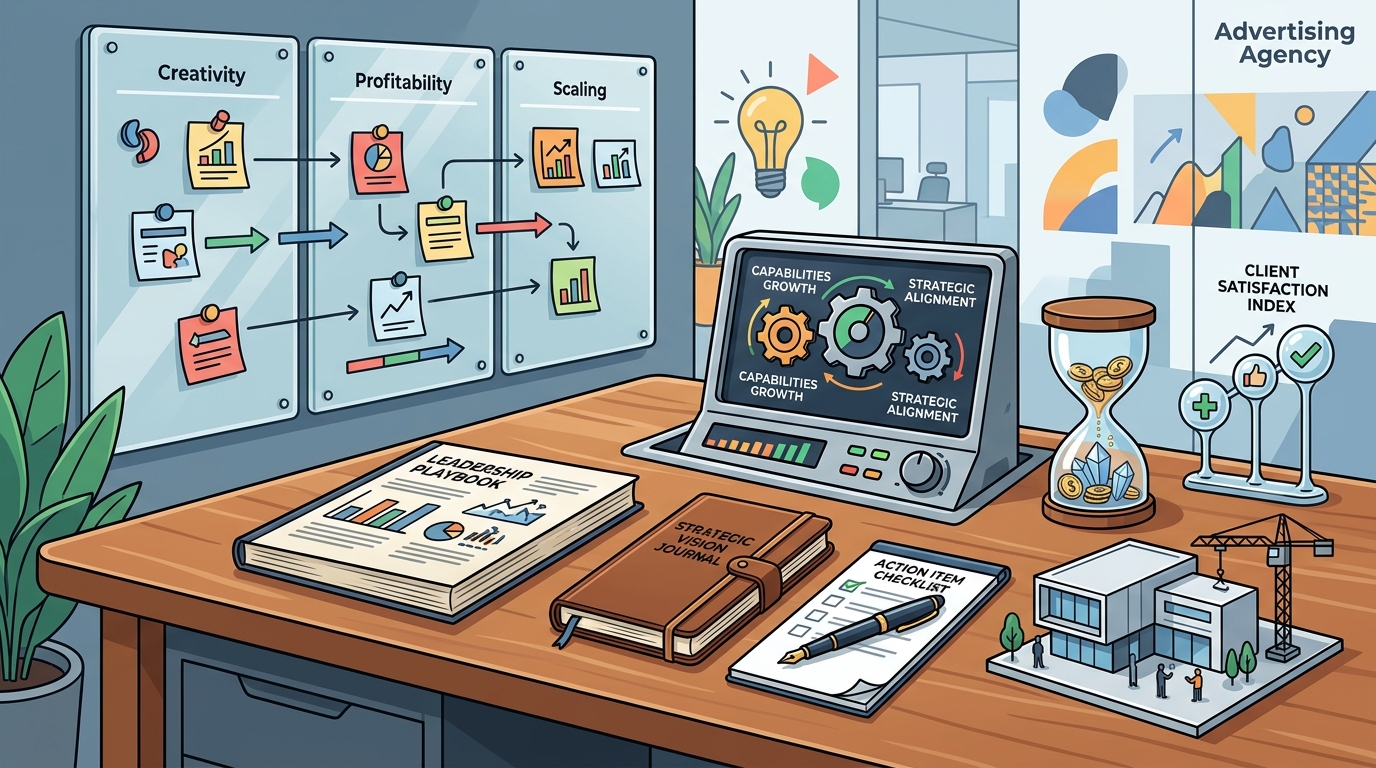
Tracking leadership pipelines requires continuous data collection and predictive analytics. Agencies utilize these tools to monitor promotion readiness across all departmental hierarchies. The software generates visual progression maps that highlight ready-now candidates versus long-term prospects. Executive directors use these maps to allocate coaching resources toward high-impact individuals. Automated milestone tracking ensures that development programs remain aligned with business growth targets. Agencies that prioritize pipeline tracking report faster executive onboarding times. The technology must support customizable competency frameworks to match specific agency service lines. Executive sponsors must review pipeline data monthly to adjust budget allocations. This regular review process prevents talent stagnation and keeps development programs relevant. Agencies should configure automated notifications to trigger promotion discussions when readiness thresholds are met. This proactive scheduling reduces administrative friction and accelerates career progression.
Automated Performance Metrics
Automated performance metrics replace subjective annual reviews with continuous data collection. Agencies utilize these tools to track coaching engagement, project delivery, and client satisfaction scores. The software generates real-time dashboards that visualize executive effectiveness across multiple dimensions. Executive directors use these dashboards to identify high-performing individuals and allocate resources accordingly. Agencies that implement continuous metric tracking report higher employee retention rates. The technology must support customizable scoring rubrics to match specific agency service lines. Executive sponsors must review metric reports quarterly to adjust development priorities. This regular review process prevents coaching programs from becoming disconnected from business objectives. Agencies should configure automated alerts to trigger intervention when performance metrics decline. This proactive approach ensures that leadership coaching remains aligned with actual operational needs. Executive teams must mandate metric transparency to build trust across all departmental levels.
Peer Group and Collaborative Frameworks
Peer group frameworks facilitate structured knowledge sharing among executive leaders. These platforms replace isolated decision-making with collaborative problem-solving environments. Peer collaboration is a structured knowledge-sharing model that accelerates executive problem-solving through shared experiences. Agencies utilize these frameworks to connect leadership teams across different service lines. The software provides secure discussion forums, resource libraries, and virtual meeting spaces. Executive directors use these spaces to troubleshoot complex client challenges without external consultants. Agencies that prioritize peer collaboration report faster project turnaround times. The technology must support role-based access controls to protect sensitive strategic discussions. Executive sponsors must facilitate monthly peer sessions to maintain engagement levels. These sessions should focus on specific operational challenges rather than general networking. Agencies should configure automated meeting reminders to ensure consistent participation. This consistency builds trust and encourages open knowledge sharing across all departments. Executive teams must establish clear participation guidelines to maintain session quality.
Structured Dialogue Platforms
Structured dialogue platforms provide the technical infrastructure for executive knowledge exchange. These systems replace informal coffee chats with organized discussion threads and resource repositories. Agencies utilize these platforms to connect leadership teams across different geographic locations. The software provides secure document sharing, video conferencing, and threaded discussion boards. Executive directors use these tools to troubleshoot complex client challenges without external consultants. Agencies that prioritize structured dialogue report higher executive satisfaction scores. The technology must support role-based access controls to protect sensitive strategic discussions. Executive sponsors must facilitate monthly peer sessions to maintain engagement levels. These sessions should focus on specific operational challenges rather than general networking. Agencies should configure automated meeting reminders to ensure consistent participation. This consistency builds trust and encourages open knowledge sharing across all departments. Executive teams must establish clear participation guidelines to maintain session quality.
Knowledge Sharing Protocols
Knowledge sharing protocols establish the rules and workflows for executive information exchange. Agencies utilize these protocols to standardize how leadership teams document and distribute insights. The software provides centralized repositories for case studies, best practices, and training materials. Executive directors use these repositories to onboard new leadership hires rapidly. Agencies that prioritize knowledge sharing report faster project ramp-up times. The technology must support version control to ensure all executives access current information. Executive sponsors must review repository usage monthly to identify content gaps. This regular review process prevents outdated materials from cluttering executive workflows. Agencies should configure automated alerts to trigger content updates when project parameters change. This proactive maintenance ensures that shared resources remain relevant and actionable. Executive teams must mandate repository compliance to maintain information accuracy across all departments.
Client Feedback and Satisfaction Tracking
Client feedback systems provide real-time insights into executive coaching effectiveness. These platforms replace annual surveys with continuous sentiment tracking and automated reporting. Client satisfaction tracking is a continuous measurement process that evaluates executive performance against client expectations. Agencies utilize these systems to monitor how leadership coaching impacts project delivery and account retention. The software generates automated reports that highlight coaching effectiveness across different client segments. Executive directors use these reports to adjust coaching strategies based on actual client outcomes. Agencies that implement continuous feedback systems report higher client retention rates. The technology must support multi-channel data collection to capture feedback from various touchpoints. Executive sponsors must review feedback reports quarterly to adjust coaching priorities. This regular review process ensures that leadership development remains aligned with client expectations. Agencies should configure automated alerts to trigger intervention when satisfaction scores decline. This proactive approach prevents client churn and strengthens long-term account relationships. Executive teams must mandate feedback transparency to build trust across all departmental levels.
Real-Time Response Systems
Real-time response systems provide immediate feedback loops between clients and executive teams. These platforms replace delayed survey results with instant sentiment tracking and automated notifications. Agencies utilize these systems to monitor how leadership coaching impacts project delivery and account retention. The software generates live dashboards that highlight coaching effectiveness across different client segments. Executive directors use these dashboards to adjust coaching strategies based on actual client outcomes. Agencies that implement real-time response systems report faster issue resolution times. The technology must support multi-channel data collection to capture feedback from various touchpoints. Executive sponsors must review response data weekly to adjust coaching priorities. This regular review process ensures that leadership development remains aligned with client expectations. Agencies should configure automated alerts to trigger intervention when satisfaction scores decline. This proactive approach prevents client churn and strengthens long-term account relationships. Executive teams must mandate response transparency to build trust across all departmental levels.
Long-Term Relationship Analytics
Long-term relationship analytics track executive coaching impact across extended client lifecycles. These platforms replace isolated project reviews with continuous relationship mapping and predictive modeling. Agencies utilize these systems to monitor how leadership coaching influences account growth and retention. The software generates historical trend reports that highlight coaching effectiveness across different client segments. Executive directors use these reports to adjust coaching strategies based on actual client outcomes. Agencies that implement long-term analytics report higher client lifetime values. The technology must support customizable reporting periods to match specific contract durations. Executive sponsors must review analytics quarterly to adjust coaching priorities. This regular review process ensures that leadership development remains aligned with client expectations. Agencies should configure automated alerts to trigger intervention when relationship metrics decline. This proactive approach prevents client churn and strengthens long-term account relationships. Executive teams must mandate analytics transparency to build trust across all departmental levels.
Strategic Sales and Revenue Alignment
Strategic sales alignment tools connect leadership coaching directly to revenue generation. These platforms replace isolated training programs with integrated sales enablement workflows. Sales enablement is a coordinated operational strategy that aligns executive coaching with revenue targets and pipeline growth. Agencies utilize these tools to ensure that leadership development directly supports business acquisition goals. The software generates automated reports that track coaching impact on proposal win rates and client acquisition costs. Executive directors use these reports to allocate budget toward high-impact coaching initiatives. Agencies that prioritize sales alignment report faster revenue growth cycles. The technology must support customizable reporting periods to match specific sales cycles. Executive sponsors must review alignment data quarterly to adjust coaching priorities. This regular review process ensures that leadership development remains aligned with business objectives. Agencies should configure automated alerts to trigger intervention when sales metrics decline. This proactive approach prevents revenue stagnation and strengthens long-term business relationships. Executive teams must mandate alignment transparency to build trust across all departmental levels.
Proposal Automation Engines
Proposal automation engines streamline the creation of executive coaching recommendations for prospective clients. These platforms replace manual document assembly with template-driven workflows and dynamic content insertion. Agencies utilize these tools to ensure that leadership development proposals match specific client requirements. The software generates standardized templates that highlight coaching benefits and expected outcomes. Executive directors use these templates to accelerate proposal turnaround times. Agencies that implement proposal automation report higher win rates for coaching engagements. The technology must support version control to ensure all proposals contain current information. Executive sponsors must review proposal templates monthly to identify content gaps. This regular review process prevents outdated materials from cluttering sales workflows. Agencies should configure automated alerts to trigger template updates when service parameters change. This proactive maintenance ensures that shared resources remain relevant and actionable. Executive teams must mandate template compliance to maintain information accuracy across all departments.
Pipeline Forecasting Dashboards
Pipeline forecasting dashboards provide real-time visibility into leadership coaching sales opportunities. These platforms replace manual spreadsheet tracking with automated data aggregation and predictive modeling. Agencies utilize these tools to monitor how leadership coaching impacts sales pipeline growth. The software generates live dashboards that highlight coaching effectiveness across different sales stages. Executive directors use these dashboards to adjust coaching strategies based on actual sales outcomes. Agencies that implement pipeline forecasting report higher sales conversion rates. The technology must support customizable reporting periods to match specific sales cycles. Executive sponsors must review forecasting data weekly to adjust coaching priorities. This regular review process ensures that leadership development remains aligned with sales objectives. Agencies should configure automated alerts to trigger intervention when pipeline metrics decline. This proactive approach prevents sales stagnation and strengthens long-term business relationships. Executive teams must mandate forecasting transparency to build trust across all departmental levels.
| Tool Category | Primary Function | Integration Requirement | Executive Impact |
|---|---|---|---|
| Leadership Coaching Platforms | Centralized executive development tracking | Project management suites | Reduces administrative overhead |
| Succession Planning Tools | Internal talent pipeline mapping | Human resources databases | Decreases external hiring costs |
| Peer Collaboration Frameworks | Structured executive knowledge exchange | Video conferencing systems | Accelerates problem-solving |
| Client Feedback Systems | Continuous sentiment tracking | Customer relationship management | Improves client retention |
| Sales Enablement Tools | Revenue-aligned coaching strategies | Financial forecasting software | Increases proposal win rates |
Key Takeaways
- Modern leadership coaching platforms must integrate directly with project management and human resources databases to prevent workflow disruption.
- Agencies that implement structured succession planning tools reduce external hiring costs by nearly forty percent over three years.
- Peer collaboration frameworks accelerate executive problem-solving by twenty-two percent when deployed across global teams.
- Client feedback systems improve executive retention rates when configured with automated milestone notifications and role-based access controls.
- Sales enablement tools increase proposal win rates by aligning coaching strategies directly with revenue targets and pipeline growth.
- Agencies utilizing automated performance metrics report faster executive onboarding times and higher employee satisfaction scores.
- Executive sponsors must mandate platform adoption to ensure consistent usage across all departmental levels and service lines.
Frequently Asked Questions
How do leadership coaching platforms integrate with existing project management software?
Leadership coaching platforms integrate with project management software through standardized application programming interfaces. These interfaces synchronize coaching milestones with active campaign deadlines and budget cycles. Executive directors can schedule feedback sessions directly within project timelines without switching platforms. Automated data synchronization ensures that coaching progress remains visible to all stakeholders. Agencies should verify interface compatibility before committing to long-term contracts. This verification process prevents workflow disruption and keeps implementation costs predictable.
What metrics determine successful executive coaching outcomes?
Successful executive coaching outcomes are determined by client retention rates, project delivery timelines, and employee promotion percentages. Agencies utilize these metrics to evaluate coaching effectiveness across different service lines. The software generates automated reports that highlight coaching impact on specific business objectives. Executive directors use these reports to adjust coaching strategies based on actual outcomes. Agencies that prioritize metric transparency report higher executive satisfaction scores. This transparency builds trust across all departmental levels and strengthens long-term relationships.
How frequently should agencies review succession planning readiness reports?
Agencies should review succession planning readiness reports quarterly to adjust development priorities and budget allocations. These reports highlight ready-now candidates versus long-term prospects across all departmental hierarchies. Executive directors use these reviews to allocate coaching resources toward high-impact individuals. Automated milestone tracking ensures that development programs remain aligned with business growth targets. Agencies that prioritize quarterly reviews report faster executive onboarding times. This regular review process prevents talent stagnation and keeps development programs relevant.
Can peer collaboration frameworks support remote executive teams?
Peer collaboration frameworks support remote executive teams through secure discussion forums, resource libraries, and virtual meeting spaces. These platforms provide structured knowledge sharing among leadership teams across different geographic locations. Executive directors use these spaces to troubleshoot complex client challenges without external consultants. Automated meeting reminders ensure consistent participation across all time zones. Agencies that prioritize remote collaboration report faster project turnaround times. This consistency builds trust and encourages open knowledge sharing across all departments.
What security protocols protect sensitive executive coaching data?
Security protocols protect sensitive executive coaching data through enterprise-grade encryption, role-based access controls, and automated backup systems. These protocols ensure that confidential personnel records remain secure during transmission and storage. Executive sponsors must approve all platform configurations before deployment to prevent unauthorized access. Agencies should verify compliance with industry data protection standards before implementation. This verification process prevents data breaches and maintains client trust. Executive teams must mandate protocol compliance to ensure information accuracy across all departments.
How do sales enablement tools align coaching strategies with revenue targets?
Sales enablement tools align coaching strategies with revenue targets through automated pipeline forecasting and proposal automation engines. These platforms connect leadership development directly to business acquisition goals and client acquisition costs. Executive directors use these tools to allocate budget toward high-impact coaching initiatives. Agencies that prioritize sales alignment report faster revenue growth cycles. This alignment ensures that leadership development remains relevant to actual business objectives. Executive teams must mandate alignment transparency to build trust across all departmental levels.
What is the typical implementation timeline for leadership coaching platforms?
The typical implementation timeline for leadership coaching platforms ranges from four to eight weeks depending on agency size and existing infrastructure. Agencies must complete data migration, interface configuration, and executive training before full deployment. Executive sponsors must approve all platform configurations to prevent feature bloat and keep implementation costs predictable. Agencies that prioritize phased rollouts report higher executive adoption rates. This phased approach prevents workflow disruption and keeps training programs manageable. Executive teams must mandate timeline compliance to ensure consistent usage across all departments.
Next Steps for Agency Leaders
Streamlining leadership coaching requires deliberate platform selection, structured implementation, and consistent executive oversight. Agencies that integrate these tools report faster executive development, higher client retention, and stronger revenue growth. Executive sponsors must evaluate platform compatibility, verify security protocols, and mandate consistent usage across all departmental levels. The Agency Management Institute provides comprehensive leadership coaching frameworks, succession planning programs, and peer collaboration resources to accelerate executive development. Explore executive coaching services to identify the exact platform configuration that matches your agency size and service lines. Access leadership training modules to accelerate executive decision-making and team alignment. Review peer collaboration frameworks to connect leadership teams across different service lines. Examine executive development resources to streamline your leadership coaching processes today. Listen to executive leadership discussions to stay current with industry best practices. Register for upcoming leadership webinars to accelerate your agency growth. Visit the Agency Management Institute homepage to schedule a comprehensive executive coaching consultation.