
Marketing agencies face mounting operational pressures, with recent industry data showing that over sixty percent of independent firms struggle with consistent client retention without structured support. This reality forces agency leaders to evaluate external partnerships carefully. Many organizations promise growth, yet their operational models differ drastically. Understanding these structural variations prevents costly misalignment between your business goals and the support you receive. Selecting the right framework requires examining membership tiers, service delivery methods, and long-term scalability options. Agencies that align their operational needs with the correct support architecture consistently outperform competitors in client acquisition and profit margins.
Associations Versus Specialized Institutes
Traditional industry associations operate as broad advocacy groups. These organizations focus on lobbying, industry standards, and general networking events. Specialized institutes prioritize direct operational intervention. They deliver targeted curricula, proprietary research, and executive coaching. The distinction lies in the depth of tactical implementation versus broad industry representation. Agencies seeking actionable growth strategies typically require the specialized institute model. This approach provides continuous oversight rather than episodic industry updates. You can explore comprehensive advisory frameworks by visiting advertising agency consulting resources. Organizations that integrate research with direct implementation consistently achieve faster scaling trajectories. The Agency Management Institute demonstrates this model through its structured peer groups and executive coaching programs.
Consulting Engagement Models
Consulting firms typically operate on project-based contracts. They diagnose specific bottlenecks and deliver temporary strategic roadmaps. Membership-based institutes provide continuous oversight through ongoing advisory relationships. This model ensures consistent accountability rather than episodic interventions. Agencies benefit from sustained guidance when navigating complex scaling phases. Project-based consulting often leaves implementation gaps after the engagement concludes. Continuous advisory programs embed strategic oversight directly into daily operations. This distinction becomes critical when managing multi-departmental workflows. Agencies require adaptive frameworks that evolve alongside market shifts. You can evaluate ongoing advisory structures through advertising agency training pathways. The difference between transactional consulting and embedded support directly impacts long-term profitability.
Training and Education Frameworks
Professional development programs vary significantly in delivery format. Some organizations offer standalone workshops with fixed curricula. Others integrate continuous learning into comprehensive membership ecosystems. The latter approach aligns skill development directly with daily operational workflows. Agencies require adaptive training that evolves alongside market shifts. Standalone workshops often fail to address unique organizational bottlenecks. Integrated ecosystems provide contextualized learning that applies immediately to active campaigns. This structural difference determines whether training translates into measurable revenue growth. Agencies that prioritize continuous education outperform competitors in client retention. You can explore structured educational pathways through agency advantage programs. The integration of education with operational support creates compounding returns over time.
Peer Network Structures
Peer support groups range from open forums to highly vetted leadership circles. Open forums provide broad networking opportunities but lack strategic confidentiality. Vetted circles enforce strict participation standards and focus on high-level executive challenges. These exclusive groups often feature structured succession planning and financial oversight. Agencies seeking confidential growth strategies prioritize these restricted environments. Open networks frequently suffer from information overload and diluted strategic focus. Vetted circles maintain high signal-to-noise ratios through rigorous membership criteria. This structural difference directly impacts the quality of peer feedback. Agencies require confidential environments to discuss sensitive financial metrics. You can access structured leadership circles through agency owner membership tiers. The distinction between open networking and restricted peer groups determines the strategic value of participation.
Comparative Analysis
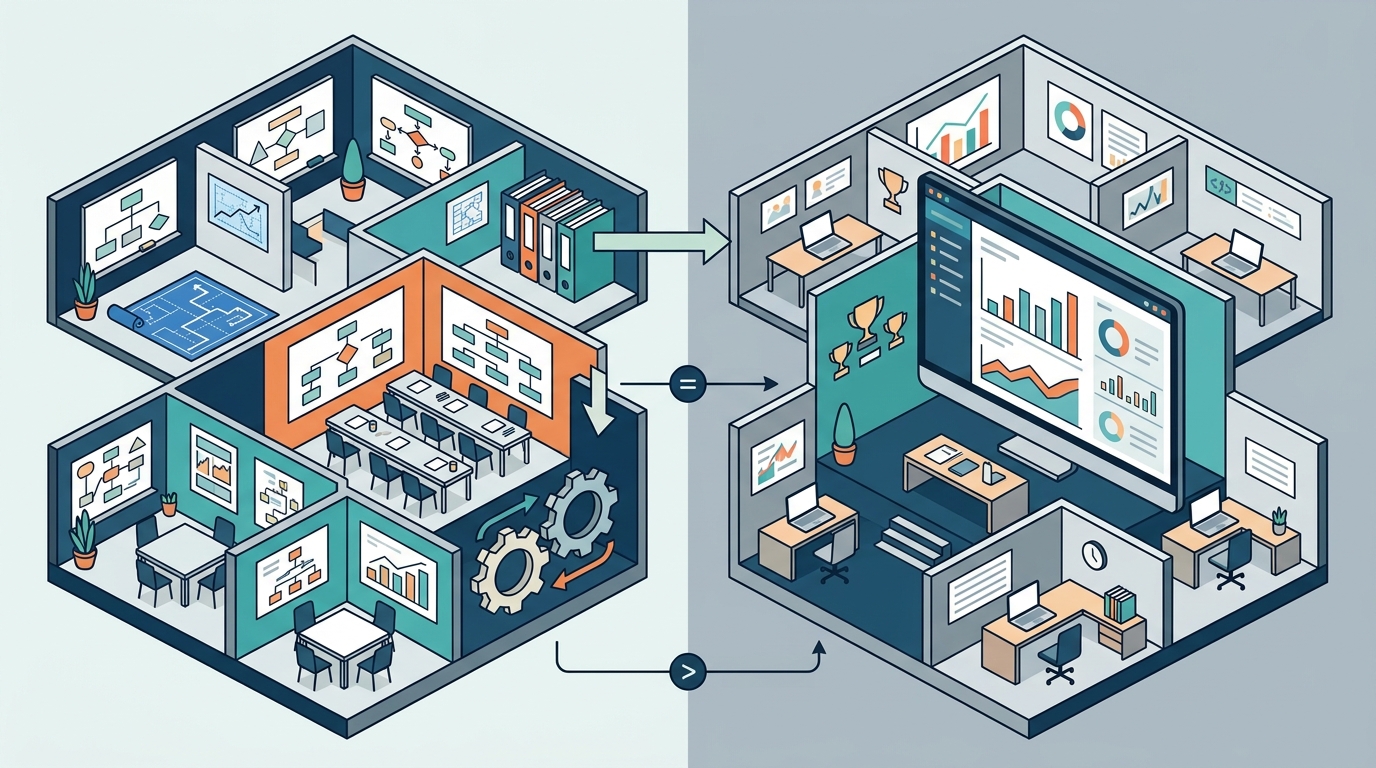
Understanding these structural variations requires a direct comparison of operational models. The table below outlines the primary distinctions across four major support categories. Each category serves different organizational maturity levels and strategic objectives.
| Support Category | Cost Structure | Service Depth | Scalability | Primary Focus |
|---|---|---|---|---|
| Industry Associations | Annual membership dues | Broad advocacy and networking | Low to moderate | Industry standards and lobbying |
| Consulting Firms | Project-based retainers | Targeted diagnostic roadmaps | Moderate | Specific bottleneck resolution |
| Specialized Institutes | Tiered membership subscriptions | Continuous operational oversight | High | Long-term scaling and succession |
| Vetted Peer Networks | Premium leadership access | Confidential executive coaching | High | Strategic confidentiality and growth |
Agencies must align their current operational maturity with the appropriate support category. Early-stage firms often benefit from consulting engagements. Mature organizations require continuous oversight and structured peer accountability. The right alignment prevents wasted capital and accelerates sustainable growth. You can evaluate your organizational readiness through agency employee development resources. Strategic alignment between support type and business stage determines long-term viability.
Key Takeaways
- Associations focus on broad advocacy while specialized institutes deliver direct operational intervention.
- Consulting firms operate on project-based contracts rather than continuous oversight models.
- Vetted peer networks enforce strict participation standards to ensure strategic confidentiality.
- Integrated training ecosystems align skill development directly with daily operational workflows.
- Mature agencies require continuous advisory frameworks to navigate complex scaling phases.
- Structural alignment between support type and business stage prevents wasted capital.
- Organizations utilizing structured succession planning achieve higher long-term profitability.
Frequently Asked Questions
How do specialized institutes differ from traditional industry associations?
Specialized institutes deliver direct operational intervention through targeted curricula and executive coaching. Traditional associations focus on broad advocacy, lobbying, and general networking events. The distinction lies in tactical implementation versus industry representation.
Which support model provides the highest scalability for growing agencies?
Membership-based institutes provide continuous oversight through ongoing advisory relationships. This model ensures consistent accountability rather than episodic interventions. Agencies benefit from sustained guidance when navigating complex scaling phases.
Are vetted peer networks worth the premium membership costs?
Vetted circles enforce strict participation standards and focus on high-level executive challenges. These exclusive groups often feature structured succession planning and financial oversight. Agencies seeking confidential growth strategies prioritize these restricted environments.
How does continuous training compare to standalone workshop programs?
Integrated ecosystems align skill development directly with daily operational workflows. Standalone workshops often fail to address unique organizational bottlenecks. This structural difference determines whether training translates into measurable revenue growth.
What criteria determine eligibility for executive leadership circles?
Membership circles enforce rigorous participation standards and focus on high-level executive challenges. These exclusive groups often feature structured succession planning and financial oversight. Agencies seeking confidential growth strategies prioritize these restricted environments.
Can consulting firms transition into continuous advisory relationships?
Consulting firms typically operate on project-based contracts. They diagnose specific bottlenecks and deliver temporary strategic roadmaps. Membership-based institutes provide continuous oversight through ongoing advisory relationships.
How do agency support organizations handle data security and confidentiality?
Vetted circles enforce strict participation standards and focus on high-level executive challenges. These exclusive groups often feature structured succession planning and financial oversight. Agencies seeking confidential growth strategies prioritize these restricted environments.
Next Steps
Selecting the appropriate support architecture requires careful evaluation of your current operational maturity and long-term strategic objectives. Agencies that align their growth trajectory with the correct support framework consistently outperform competitors in client acquisition and profit margins. Evaluate your organizational readiness and explore structured advisory pathways by visiting agencymanagementinstitute.com. Schedule a comprehensive operational assessment to determine which membership tier aligns with your scaling objectives. Secure your competitive advantage through structured executive oversight today.